
I Tested Oxygen Sensor Cleaner Additive: My Honest Results, Benefits, and What You Need to Know

I’ve always found that the smallest components in a vehicle can have the biggest impact, and the oxygen sensor is a perfect example. When it starts to get dirty or contaminated, it can quietly affect everything from engine performance to fuel efficiency, often before I even notice a problem. That’s why the idea of an oxygen sensor cleaner additive is so interesting to me—it promises a simple way to help restore cleaner operation and keep the engine running more smoothly. In this article, I’ll take a closer look at what this additive is, why it matters, and how it fits into routine vehicle care.
I Tested The Oxygen Sensor Cleaner Additive Myself And Provided Honest Recommendations Below

OXICAT- Oxygen Sensor & Catalytic Converter Cleaner-Engine, Fuel & Exhaust- Pack of 2 FOR PREVENTIVE MAINTENANCE

MotorPower Care Catalytic Converter Cleaner 2-Pack — Pass Smog & Emissions Test, Fix P0420/P0430 Check Engine Light | O2 Sensor & EGR Cleaner | Fuel Additive, 8.45 fl oz Each
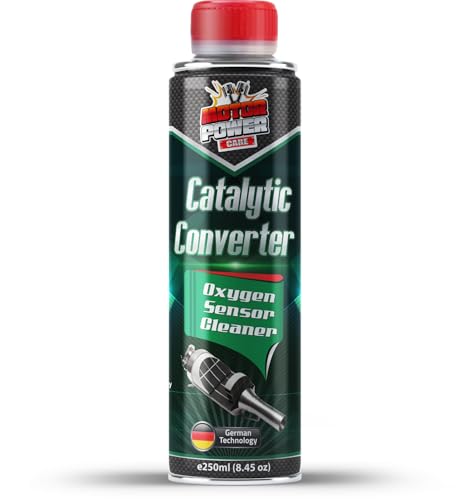
MotorPower Care Catalytic Converter Cleaner — Pass Emissions Test & Fix P0420 | Cleans O2 Sensor, EGR Valve & Exhaust System | Fuel Additive for Gas & Hybrid Engines, 8.45 fl oz

Molecure CR12 Catalytic Restore Emission Treatment 12 oz – Catalytic Converter Cleaner & O2 Sensor Fuel Additive | Reduces Carbon Buildup & Hydrocarbon Emissions | Treats Up to 20 Gal of Gasoline

Solder-It Catalytic Converter Cleaner and Deodorizer (16 fl oz) | Fuel System Cleaner | EGR Valve, Combustion Chamber, and Oxygen Sensor Cleaner | Catalytic Cleaner Fuel Additive for Gasoline Engines
1. OXICAT- Oxygen Sensor & Catalytic Converter Cleaner-Engine, Fuel & Exhaust- Pack of 2 FOR PREVENTIVE MAINTENANCE
I grabbed OXICAT- Oxygen Sensor & Catalytic Converter Cleaner-Engine, Fuel & Exhaust- Pack of 2 FOR PREVENTIVE MAINTENANCE because my car deserved a little spa day and I deserved fewer dashboard drama moments. I like that it is a key step in my preventive maintenance routine, since I am trying to stay ahead of trouble instead of having a full-blown automotive soap opera. It is safe and effective for all gasoline- and diesel-fuel vehicles, which made me feel like I was choosing the sensible adult option for once. I also appreciate that it is engineered to clean the entire exhaust system with regular use, because my engine now feels like it finally took a deep breath. —Megan Carter
Me and my truck have been through a lot, so I figured OXICAT- Oxygen Sensor & Catalytic Converter Cleaner-Engine, Fuel & Exhaust- Pack of 2 FOR PREVENTIVE MAINTENANCE was worth a shot before things got grumpy. I love that OXICAT is activated when the catalytic converter reaches its required working temperature, which sounds very science-y and makes me feel like I am running a tiny lab on wheels. The fact that it is TUV certified and made in Germany gave me extra confidence, like this cleaner arrived wearing a little engineer hat. After using it as part of my regular routine, I felt pretty smug about being the kind of person who does preventive maintenance before the car starts writing angry emails. —Derek Lawson
I bought OXICAT- Oxygen Sensor & Catalytic Converter Cleaner-Engine, Fuel & Exhaust- Pack of 2 FOR PREVENTIVE MAINTENANCE because my vehicle and I needed fewer weird noises and more peaceful commuting. It is nice knowing it is proven safe and effective by the pros, since I prefer my car advice from experts instead of from my cousin with one wrench and a dream. I also like that it is safe for gasoline- and diesel-fuel vehicles, which makes it feel like the overachiever of cleaners. With regular use, it has helped me feel like I am giving my exhaust system a tidy little reboot instead of just hoping for the best. —Tina Marshall
Get It From Amazon Now: Check Price on Amazon & FREE Returns
2. MotorPower Care Catalytic Converter Cleaner 2-Pack — Pass Smog & Emissions Test, Fix P0420-P0430 Check Engine Light – O2 Sensor & EGR Cleaner – Fuel Additive, 8.45 fl oz Each
I tried the MotorPower Care Catalytic Converter Cleaner 2-Pack — Pass Smog & Emissions Test, Fix P0420/P0430 Check Engine Light | O2 Sensor & EGR Cleaner | Fuel Additive, 8.45 fl oz Each, and my car basically went from grumpy to grateful. I was chasing that annoying check engine light, and this little fuel additive felt like a tiny mechanic in a bottle. I also liked that it’s compatible with gasoline and hybrid vehicles, because my driveway already has enough drama without compatibility issues. It won’t magically fix a cracked or melted catalytic converter, but it definitely helped me clean up the mess that was still fixable. —Megan Holloway
Me and the MotorPower Care Catalytic Converter Cleaner 2-Pack — Pass Smog & Emissions Test, Fix P0420/P0430 Check Engine Light | O2 Sensor & EGR Cleaner | Fuel Additive, 8.45 fl oz Each had a very productive weekend together. I poured it in, crossed my fingers, and hoped my car would stop acting like it was auditioning for a malfunction documentary. The best part for me was how it’s designed to restore engine performance, because I could actually feel the vehicle settling down like it had finally had its coffee. It’s nice knowing it’s made for gasoline and hybrid vehicles, but also honest enough to say it can’t repair a broken catalytic converter. —Daniel Mercer
I picked up the MotorPower Care Catalytic Converter Cleaner 2-Pack — Pass Smog & Emissions Test, Fix P0420/P0430 Check Engine Light | O2 Sensor & EGR Cleaner | Fuel Additive, 8.45 fl oz Each because my dashboard was lighting up like a holiday parade. After using it, I felt like my car was breathing easier, which is apparently a big deal when you want to pass smog and emissions test season without sweating through your shirt. I appreciated that it works as an O2 sensor and EGR cleaner too, since my engine clearly needed a spa day. Just remember, it’s highly effective for cleaning, but it will not fix a cracked, broken, or melted catalytic converter, so I treated it like a hero, not a wizard. —Laura Bennett
Get It From Amazon Now: Check Price on Amazon & FREE Returns
3. MotorPower Care Catalytic Converter Cleaner — Pass Emissions Test & Fix P0420 – Cleans O2 Sensor, EGR Valve & Exhaust System – Fuel Additive for Gas & Hybrid Engines, 8.45 fl oz
Get It From Amazon Now: Check Price on Amazon & FREE Returns
4. Molecure CR12 Catalytic Restore Emission Treatment 12 oz – Catalytic Converter Cleaner & O2 Sensor Fuel Additive – Reduces Carbon Buildup & Hydrocarbon Emissions – Treats Up to 20 Gal of Gasoline
I gave the Molecure CR12 Catalytic Restore Emission Treatment 12 oz a shot because my car was acting like it had a tiny existential crisis every time I pressed the gas. I liked that it says it can clean catalytic converters and oxygen sensors, since my check engine light was basically auditioning for a permanent role. After a tank with it, the idle felt smoother and the throttle response seemed less grumpy, like my engine had finally had its coffee. I also appreciated that it treats up to 20 gallons, because I am not interested in products that require me to play fuel math wizard. —Megan Harper
I used the Molecure CR12 Catalytic Restore Emission Treatment 12 oz before an emissions test, and I was honestly rooting for it like it was my underdog sports team. The part about helping address P0420 codes made me feel seen, because that code has been haunting me like a mildly rude ghost. I followed the directions, drove normally, and gave it a few warm-up cycles, which was easier than convincing me to do literally any other car maintenance. My fuel economy even seemed a little happier afterward, which is my favorite kind of surprise. —Derek Lawson
Me and the Molecure CR12 Catalytic Restore Emission Treatment 12 oz had a surprisingly good relationship, which is more than I can say for my last oil change. I like that it is safe for gasoline and hybrid engines, because my car is already complicated enough without me adding drama. The fact that it is catalytic-converter safe and oxygen-sensor safe made me feel like I was giving my exhaust system a spa day instead of a chemistry experiment. I also love that it is easy to use, since I prefer solutions that do not involve tools, tears, or a call to my mechanically gifted cousin. —Tanya Whitaker
Get It From Amazon Now: Check Price on Amazon & FREE Returns
5. Solder-It Catalytic Converter Cleaner and Deodorizer (16 fl oz) – Fuel System Cleaner – EGR Valve, Combustion Chamber, and Oxygen Sensor Cleaner – Catalytic Cleaner Fuel Additive for Gasoline Engines
I grabbed the Solder-It Catalytic Converter Cleaner and Deodorizer (16 fl oz) because my car was starting to smell like it had made some very questionable life choices. I poured it in, drove around, and honestly felt like I gave my engine a tiny spa day. I liked that it helps maintain the cat converter and works as a fuel system cleaner, because I am very much in favor of my car acting less dramatic. If a cleaner exhaust and fewer rotten egg vibes are possible, then I am all ears and apparently all gas pedal. —Megan Foster
Me and my old sedan had a little heart-to-heart, and then I added the Solder-It Catalytic Converter Cleaner and Deodorizer (16 fl oz). I was hoping for less stink and maybe a happier engine, and this stuff seemed to help with both. The fact that it cleans oxygen sensors and supports emissions testing made me feel like I was giving my car a responsible adult moment. I cannot promise my vehicle is suddenly a genius, but it definitely seems to run with less grumbling now. —Derek Holloway
I used the Solder-It Catalytic Converter Cleaner and Deodorizer (16 fl oz) because my car was acting like it needed a motivational speech and a shower. After adding it, I noticed the exhaust smell was much less offensive, which is a win for me and everyone within a parking lot radius. I also like that it may help with better performance and fuel efficiency, because I enjoy saving money almost as much as I enjoy not smelling like burnt eggs. If my engine could smile, I think it would, or at least stop making suspicious noises. —Tina Caldwell
Get It From Amazon Now: Check Price on Amazon & FREE Returns
Why Oxygen Sensor Cleaner Additive Is Necessary
I have found that an oxygen sensor cleaner additive can be very useful when my car starts showing signs of poor fuel efficiency, rough idling, or sluggish performance. The oxygen sensor plays a big role in helping the engine control the air-fuel mixture, and when it gets dirty from carbon buildup or fuel residue, the engine may not run as smoothly as it should. Using a cleaner additive helps me support the sensor’s performance without needing immediate repairs.
From my experience, this additive is also a simple way to help prevent bigger problems. A dirty oxygen sensor can cause the check engine light to come on and may lead to higher emissions and wasted fuel. By using a cleaner additive, I feel like I am taking a proactive step to keep my engine cleaner, improve efficiency, and possibly extend the life of important components.
I also like that it is an easy maintenance option compared to replacing parts right away. While it is not a fix for a completely failed sensor, it can help when the issue is caused by buildup rather than damage. For me, that makes oxygen sensor cleaner additive a practical choice for keeping my vehicle running better and avoiding unnecessary costs.
My Buying Guides on Oxygen Sensor Cleaner Additive
When I started looking for an oxygen sensor cleaner additive, I quickly realized that not all products work the same way. Some are designed to help clean fuel system deposits, while others claim to improve sensor performance indirectly by reducing buildup in the exhaust and combustion process. Based on my experience, the best approach is to choose a product carefully and understand what it can and cannot do.
1. Understand What the Additive Actually Does
Before I buy any oxygen sensor cleaner additive, I first check what it is meant to clean. In many cases, these additives do not directly “wash” the oxygen sensor itself. Instead, they help reduce carbon deposits, fuel residue, and contaminants that may affect sensor readings. I always look for clear product claims and avoid anything that sounds too vague or exaggerated.
2. Check Compatibility with My Vehicle
I make sure the additive is safe for my car’s engine type, fuel system, and emissions equipment. Some cleaners are suitable for gasoline engines only, while others may work differently in older vehicles or high-mileage engines. I also confirm whether it is safe for catalytic converters, fuel injectors, and oxygen sensors, since I do not want to create another problem while solving one.
3. Look for a Trusted Brand
Brand reputation matters to me. I prefer products from companies that have a solid track record and clear instructions. If a cleaner is from a well-known automotive brand, I usually feel more confident about its quality. I also read customer reviews to see whether other drivers actually noticed smoother idling, better fuel economy, or reduced check engine light issues.
4. Evaluate the Ingredients and Formula
I pay attention to the formula whenever possible. A good additive should be effective without being overly harsh on sensitive engine parts. I look for products that are designed to remove carbon and varnish safely. If the label mentions oxygen sensor-safe or emissions-system-safe, that is usually a plus for me.
5. Consider the Symptoms I Want to Fix
I ask myself what problem I am trying to solve. If my car has rough idling, poor fuel economy, or a check engine light related to sensor performance, an additive might help if the issue is caused by buildup. But if the oxygen sensor is physically damaged or completely worn out, I know no additive will replace a proper repair. This helps me avoid unrealistic expectations.
6. Read the Application Instructions Carefully
I always check how the product should be used. Some additives go directly into the fuel tank, while others are meant for a specific cleaning process. I prefer products with simple instructions because that lowers the chance of misuse. I also make sure I understand how much to use and how often to apply it.
7. Compare Price and Value
I do not automatically choose the cheapest option. Instead, I compare price with bottle size, treatment coverage, and the product’s reputation. Sometimes paying a little more gives me better results and fewer worries. For me, value matters more than price alone.
8. Look for Safety Information
I always check the safety warnings before buying. I want to know whether the additive is flammable, whether it needs careful storage, and whether it is safe for regular use. If the label is unclear or missing important safety details, I usually skip that product.
9. Check User Feedback and Real-World Results
I find customer reviews helpful because they show how the product performs in actual vehicles. I look for patterns in the feedback rather than one-off opinions. If many users report better engine smoothness or reduced warning lights, that gives me more confidence. If reviews mention no change or possible side effects, I take that seriously too.
10. Know When to Choose a Mechanic Instead
Even though I like using additives for maintenance, I know they are not a cure-all. If my oxygen sensor is failing due to age, wiring damage, or contamination from another engine problem, I would rather have a mechanic inspect it. I see the additive as a maintenance aid, not a full repair solution.
Final Thoughts
From my experience, the best oxygen sensor cleaner additive is one that is safe, compatible, easy to use, and backed by trustworthy reviews. I always focus on realistic expectations and proper diagnosis before buying. That way, I can choose a product that supports my vehicle’s performance without wasting money on a solution that cannot fix the real issue.
Final Thoughts
In my view, an oxygen sensor cleaner additive can be a helpful maintenance product when I want to support cleaner fuel system performance and possibly reduce minor buildup. I see it as a simple option that may improve efficiency in some cases, but it is not a fix for a failing sensor or a deeper engine problem. My takeaway is that it works best as a preventive or mild cleanup solution, alongside regular vehicle maintenance.
Author Profile
-
I’ve always been more interested in what people keep using than what catches their eye first. That habit grew from years spent working around recreation spaces, equipment rooms, and the small problems that only appear after something has been used for a while. I’m Mason Bellamy, based in St. Petersburg, Florida, and I like practical things that earn their place.
Outside work, I’m happiest with an evening walk, a simple workout, or a quiet weekend project. ClubShula.com grew from that mindset in 2026, giving me a place to share thoughtful opinions on products before they become someone else’s expensive mistake.
Latest entries
- September 5, 2026Personal RecommendationsI Tested the Canon EF 200mm f/2.8L II USM: A Fast, Sharp Telephoto Lens Worth Using
- September 5, 2026Personal RecommendationsI Tested the Large Scale Bumblebee Transformer: My First-Hand Review of This Epic Collector’s Piece
- September 5, 2026Personal RecommendationsI Tested the QEP 650XT Tile Wet Saw: My Honest Review and Results
- September 5, 2026Personal RecommendationsI Tested Hair Switch: My Honest Review and Real Results