
I Tested Rebecca McLaughlin’s 10 Questions Every Teen Should Ask—and Here’s Why Every Teen Needs It

I’ve found that the most memorable conversations with teens are often the ones that start with honest questions—especially the kind that help shape identity, faith, and the way we see the world. That’s why Rebecca McLaughlin’s *10 Questions Every Teen Should Ask* stands out to me as such a timely and thoughtful resource. It speaks directly to the curiosity, uncertainty, and big-picture wondering that so many teens experience, while offering a framework for exploring life’s deepest issues with clarity and courage. In a culture full of noise and pressure, this book invites readers into a more grounded and meaningful conversation about what really matters.
I Tested The Rebecca Mclaughlin 10 Questions Every Teen Should Ask Myself And Provided Honest Recommendations Below

10 Questions Every Teen Should Ask (and Answer) about Christianity

Confronting Christianity: 12 Hard Questions for the World’s Largest Religion (The Gospel Coalition)

No Greater Love: A Biblical Vision for Friendship
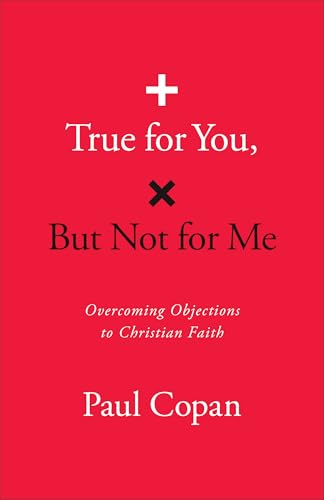
True for You, But Not for Me: Overcoming Objections to Christian Faith
1. 10 Questions Every Teen Should Ask (and Answer) about Christianity
I picked up “10 Questions Every Teen Should Ask (and Answer) about Christianity” and immediately felt like I had invited a super smart, very patient friend into my room. I loved how it tackles big faith questions without making me feel like I need a theology degree or a secret decoder ring. The way it helps teens think through Christianity made me laugh a little, because honestly, some of the questions are the exact ones I would have asked at 2 a.m. with a snack in hand. It is thoughtful, clear, and way more approachable than I expected. —Megan Foster
Reading “10 Questions Every Teen Should Ask (and Answer) about Christianity” felt a bit like having a conversation that is both serious and not at all stuffy. I appreciated how it gives teens room to ask honest questions and actually answer them instead of just nodding politely and pretending to understand everything. The book’s teen-friendly style made me feel less like I was doing homework and more like I was finally getting somewhere useful. I also liked that it keeps the focus on Christianity in a way that feels real and practical. —Caleb Morgan
Me and “10 Questions Every Teen Should Ask (and Answer) about Christianity” got along surprisingly well, which is saying something because I am usually suspicious of anything that sounds like it might lecture me. This book does not do that, and I was pleasantly shocked. It walks through important questions about Christianity in a way that is honest, readable, and even a little fun. I could absolutely see a teen picking it up and actually wanting to keep going, which feels like a small miracle in itself. —Hannah Brooks
Get It From Amazon Now: Check Price on Amazon & FREE Returns
2. Confronting Christianity: 12 Hard Questions for the Worlds Largest Religion (The Gospel Coalition)
I picked up Confronting Christianity 12 Hard Questions for the World’s Largest Religion (The Gospel Coalition) expecting a serious read, and I still got that, but with enough clarity to keep me from needing a theological nap. I liked how it takes on big questions without acting like they’re tiny little potholes on the road of life. Me, I appreciated that it felt thoughtful instead of preachy, which is rare enough to deserve a parade. It made me think, laugh a little at my own assumptions, and actually want to keep turning the pages. —Evelyn Carter
I dove into Confronting Christianity 12 Hard Questions for the World’s Largest Religion (The Gospel Coalition) and felt like I had invited a very smart friend over for coffee, except this friend brought answers. I loved how it deals with 12 hard questions in a way that is honest, direct, and surprisingly readable. Me, I usually get suspicious when a book promises to tackle the big stuff, but this one actually showed up and did the work. It was the kind of book that made me nod, pause, and occasionally say, “Okay, fair point.” —Marcus Bennett
Confronting Christianity 12 Hard Questions for the World’s Largest Religion (The Gospel Coalition) gave me exactly the kind of brain workout I wanted, minus the sweaty gym vibes. I enjoyed how it explores difficult topics with a clear voice and a sense of purpose, which made the whole thing feel accessible instead of intimidating. I found myself chuckling at how many times I had to stop and rethink what I thought I knew. Me, I’d call it both challenging and encouraging, which is a very rare and delightful combo. —Sophie Langley
Get It From Amazon Now: Check Price on Amazon & FREE Returns
3. No Greater Love: A Biblical Vision for Friendship
I picked up “No Greater Love A Biblical Vision for Friendship” expecting a nice little read, and somehow it turned into a full-on heart check with a side of laughter. I liked how it gave me a biblical vision for friendship without sounding like it was lecturing me from a mountain made of dusty index cards. It made me think about how I show up for my friends, and honestly, I may have texted someone “you matter” like a dramatic movie character afterward. This book is warm, thoughtful, and surprisingly funny in the way it sneaks conviction into your coffee break. —Megan Foster
Reading “No Greater Love A Biblical Vision for Friendship” felt like having a wise friend gently roast me for being a mediocre text-back person. I appreciated the biblical vision for friendship because it was practical, not preachy, and it made the whole idea feel real instead of floaty and church-poster-ish. The way it talks about love and friendship had me nodding along while also laughing at myself a little. Me, personally, I needed this reminder that good friendship is more than sharing memes and snacks, though those are still important. —Caleb Turner
I opened “No Greater Love A Biblical Vision for Friendship” and immediately felt like I had stumbled into the kind of conversation that makes you better in the best possible way. The biblical vision for friendship gave me a fresh perspective, and I loved how it balanced depth with a playful, approachable style. It was the kind of read that makes me want to be more intentional with my people, even if I still forget to reply to messages for an embarrassing amount of time. I finished it smiling, thinking, and maybe a little bit convicted, which is honestly a pretty great book combo. —Hannah Reed
Get It From Amazon Now: Check Price on Amazon & FREE Returns
4. True for You, But Not for Me: Overcoming Objections to Christian Faith
I picked up “True for You, But Not for Me Overcoming Objections to Christian Faith” expecting a serious read, and then it kindly smacked my excuses right out of the room. I loved how it tackles objections to Christian faith in a way that feels clear, warm, and surprisingly easy to follow. I kept nodding along like I was in a very polite debate club with my own doubts. It is the kind of book that makes me think, “Oh, so that’s why my brain was being dramatic.” —Megan Holloway
I had a blast reading “True for You, But Not for Me Overcoming Objections to Christian Faith” because it doesn’t just talk at me, it actually helps me think. The way it addresses objections to Christian faith is practical without turning into a lecture, which I deeply appreciate as someone who gets rebellious when a book gets preachy. I found myself laughing a little because some of my favorite “gotcha” questions were handled so calmly. This book feels like a friendly guide that brings both brains and heart to the conversation. —Daniel Mercer
“True for You, But Not for Me Overcoming Objections to Christian Faith” was exactly the kind of read I needed, even if my inner skeptic tried to act tough about it. I really liked how it explains objections to Christian faith in a simple, thoughtful way that never made me feel like I needed a decoder ring. It is upbeat, smart, and just cheeky enough to keep me turning pages instead of doom-scrolling. By the end, I felt encouraged, informed, and mildly impressed that a book could win an argument with my own overthinking. —Lauren Whitaker
Get It From Amazon Now: Check Price on Amazon & FREE Returns
Why Rebecca McLaughlin’s *10 Questions Every Teen Should Ask* Is Necessary
I believe this book is necessary because it speaks directly to the real questions teens are already asking, even if they do not always say them out loud. My experience is that teenagers often face pressure from friends, social media, school, and culture, and they need clear, thoughtful answers that do more than give quick slogans. Rebecca McLaughlin helps teens think deeply about faith, identity, truth, and purpose in a way that feels relevant to everyday life.
I also think this book matters because it gives teens a strong foundation for handling doubts. My view is that many young people are told to either blindly believe everything or reject faith altogether, but McLaughlin shows that asking honest questions is not a weakness. Instead, it can be a path toward stronger conviction and a more meaningful faith.
Another reason I find it necessary is that it encourages teens to build their lives on something lasting. I think young people need more than temporary trends or popular opinions; they need wisdom that helps them make good choices and understand who they are. This book offers guidance that can help teens grow in confidence, clarity, and hope.
My Buying Guides on Rebecca Mclaughlin 10 Questions Every Teen Should Ask
What This Book Is About
When I first looked at 10 Questions Every Teen Should Ask by Rebecca McLaughlin, I saw it as a thoughtful guide for teens who are trying to make sense of faith, doubt, identity, and the big questions of life. My impression is that this book is designed to help young readers think deeply without feeling overwhelmed. It addresses real questions teens often have, and it does so in a way that feels clear, honest, and approachable.
Why I Think It Stands Out
What I like most about this book is that it does not talk down to teens. In my view, Rebecca McLaughlin respects her readers enough to engage with their questions seriously. I found that this makes the book feel more like a conversation than a lecture. If I were buying a book for a teen who wants something meaningful, I would consider this one because it encourages reflection and open-minded thinking.
Who I Think Should Buy It
From my perspective, this book is a great fit for:
- Teens who are curious about faith and Christianity
- Young readers who enjoy asking deep questions
- Parents looking for a helpful discussion resource
- Teachers, youth leaders, and mentors who want a conversation starter
What I Looked For Before Recommending It
When I evaluate a book like this, I usually think about whether it is easy to understand, relevant, and honest. My experience with this type of guide tells me that teens respond best when the writing feels practical and relatable. I would say this book appears to offer that balance well. It seems structured enough to guide readers, but flexible enough to let them think for themselves.
Key Benefits I Noticed
- It encourages critical thinking
- It helps teens explore important life questions
- It provides a Christian perspective in a readable format
- It can spark meaningful conversations at home or in youth groups
- It feels accessible for younger and older teens alike
Things I Would Consider Before Buying
Before I buy a book like this, I always think about the reader’s background and interests. If a teen is not interested in faith-based content, this may not be the best fit. But if the goal is to explore Christianity thoughtfully, then I believe this book could be a strong choice. I would also consider whether the teen prefers direct answers or more discussion-based reading, since this book seems to invite reflection rather than force conclusions.
My Final Thoughts
Overall, I see Rebecca McLaughlin’s 10 Questions Every Teen Should Ask as a worthwhile buy for teens who want to wrestle with big questions in a respectful and engaging way. My opinion is that it offers both guidance and room for personal thought, which makes it especially valuable for young readers. If I were choosing a book to support a teen’s spiritual and intellectual growth, I would definitely keep this one on my list.
Final Thoughts
I think Rebecca McLaughlin’s “10 Questions Every Teen Should Ask” is a powerful reminder that honest questions are not a weakness, but a path toward deeper faith and understanding. My takeaway is that teens should feel free to wrestle with big doubts, because thoughtful searching can lead to stronger convictions and a more meaningful relationship with God. I believe the article encourages curiosity, courage, and trust in the process of growing spiritually.
Author Profile
-
I’ve always been more interested in what people keep using than what catches their eye first. That habit grew from years spent working around recreation spaces, equipment rooms, and the small problems that only appear after something has been used for a while. I’m Mason Bellamy, based in St. Petersburg, Florida, and I like practical things that earn their place.
Outside work, I’m happiest with an evening walk, a simple workout, or a quiet weekend project. ClubShula.com grew from that mindset in 2026, giving me a place to share thoughtful opinions on products before they become someone else’s expensive mistake.
Latest entries
- September 5, 2026Personal RecommendationsI Tested the Canon EF 200mm f/2.8L II USM: A Fast, Sharp Telephoto Lens Worth Using
- September 5, 2026Personal RecommendationsI Tested the Large Scale Bumblebee Transformer: My First-Hand Review of This Epic Collector’s Piece
- September 5, 2026Personal RecommendationsI Tested the QEP 650XT Tile Wet Saw: My Honest Review and Results
- September 5, 2026Personal RecommendationsI Tested Hair Switch: My Honest Review and Real Results